
ETHIOPIAN LANDRACE SMALLHOLDERS
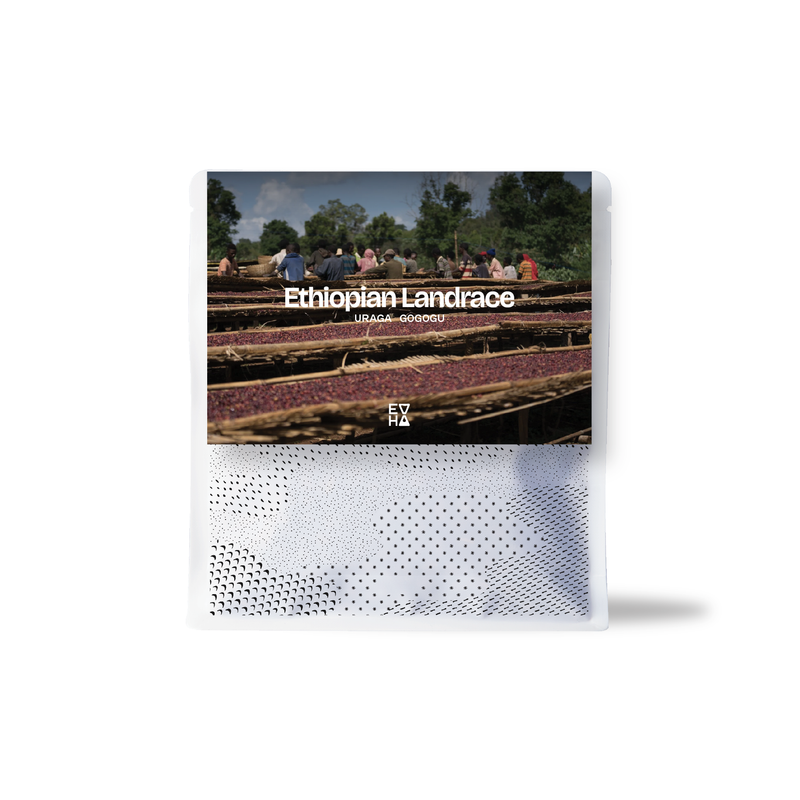
Gogogu Washing Station: Located in the Dida Haro Hada Raro area, a remote region of Guji, Oromia. The farmers at Gogogu are predominantly Oromo and speak Oromiffa. They transport their coffee to the washing station by horse or donkey along rugged paths, which become especially difficult during the rainy season that now lasts almost year round due to the effects of climate change. They grow coffee using shade tree intercropping on naturally fertile soil, with almost no need for fertiliser. Despite limited living conditions (electricity, water, education), the Oromo community here still preserves its long standing coffee growing traditions. Against these difficulties, Gogogu is still recognised in the specialty coffee world for its dedication, indigenous knowledge and outstanding coffee quality.
Ethiopian Landrace: In Ethiopia, coffee exists in its original form with a very high level of genetic diversity. Most of it consists of wild or semi domesticated populations, collectively known as "landrace." "Landrace" is not a specific variety, but a group of plant populations that have adapted naturally to the local environment over many centuries, creating a rich diversity of flavours and characteristics. Identifying the exact coffee variety in Ethiopia is very difficult, as traditional names are often only descriptive. Even DNA analysis shows that many genotypes remain unclassified. When speaking of "landrace," it usually encompasses three elements: genetic originality, natural adaptability, and pure flavour coming from the birthplace of the world's coffee. It can be said that these wild or semi domesticated coffee populations bring very unique flavour characteristics, forming the distinct identity of Ethiopian coffee.
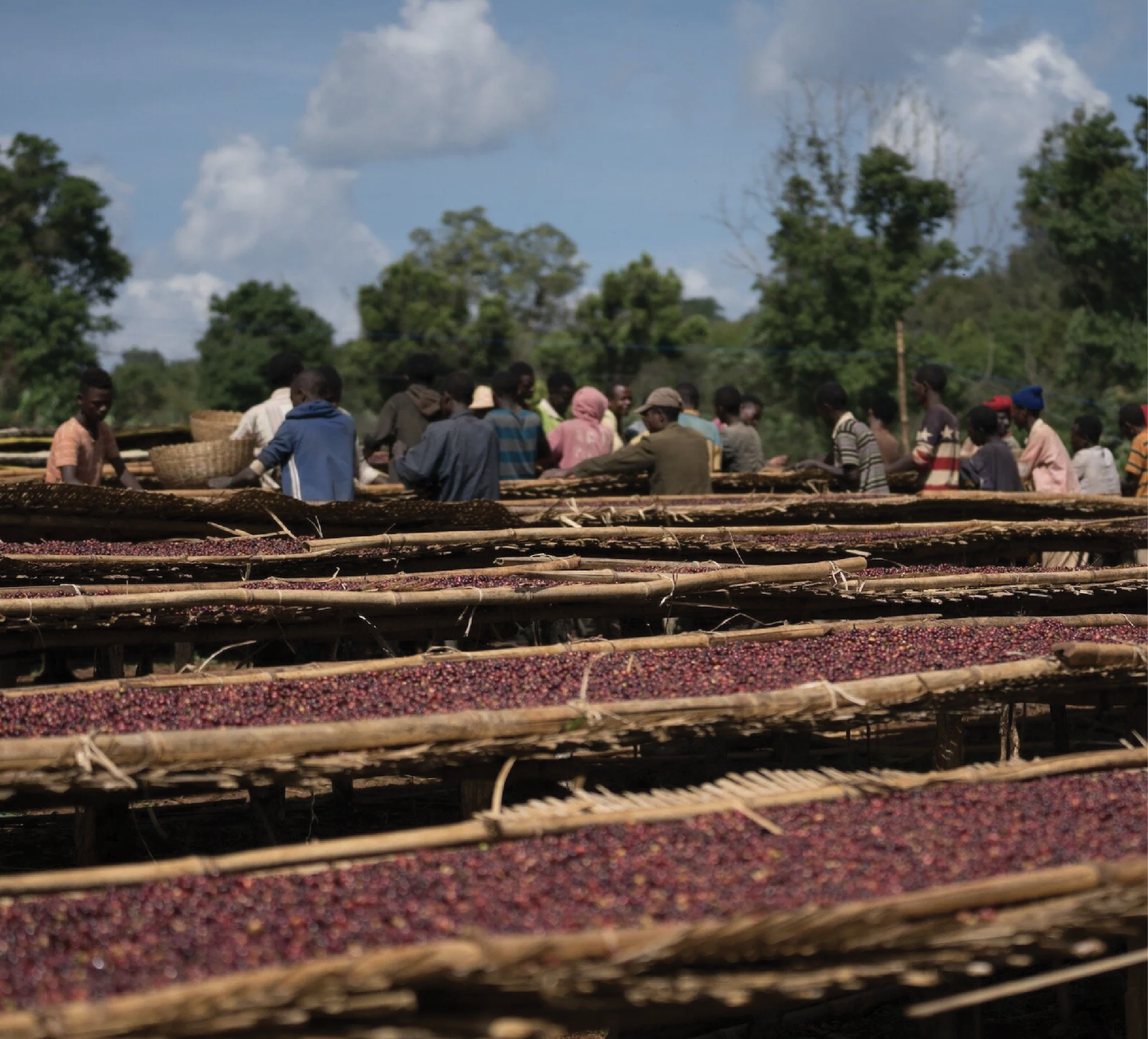
Gogogu Washing Station: Located in the Dida Haro Hada Raro area, a remote region of Guji, Oromia. The farmers at Gogogu are predominantly Oromo and speak Oromiffa. They transport their coffee to the washing station by horse or donkey along rugged paths, which become especially difficult during the rainy season that now lasts almost year round due to the effects of climate change. They grow coffee using shade tree intercropping on naturally fertile soil, with almost no need for fertiliser. Despite limited living conditions (electricity, water, education), the Oromo community here still preserves its long standing coffee growing traditions. Against these difficulties, Gogogu is still recognised in the specialty coffee world for its dedication, indigenous knowledge and outstanding coffee quality.
Ethiopian Landrace: In Ethiopia, coffee exists in its original form with a very high level of genetic diversity. Most of it consists of wild or semi domesticated populations, collectively known as "landrace." "Landrace" is not a specific variety, but a group of plant populations that have adapted naturally to the local environment over many centuries, creating a rich diversity of flavours and characteristics. Identifying the exact coffee variety in Ethiopia is very difficult, as traditional names are often only descriptive. Even DNA analysis shows that many genotypes remain unclassified. When speaking of "landrace," it usually encompasses three elements: genetic originality, natural adaptability, and pure flavour coming from the birthplace of the world's coffee. It can be said that these wild or semi domesticated coffee populations bring very unique flavour characteristics, forming the distinct identity of Ethiopian coffee.